
• Skip to primary navigation
  • Skip to main content
  • Skip to primary sidebar
  • Skip to footer
Workforce Compliance Safety

Workforce Compliance Safety

  • About
    • Why Choose Us?
    • Client Testimonials
  • Services
    • Safety Manuals
    • Safety Consultant Services
    • Safety Registry Monitoring
    • Construction Safety Manuals & EHS Services
    • Transportation Safety Services
    • Toolbox Talks
    • Pocket Orientation Guidebooks
    • OneProgram™
  • Prequalification
    • Avetta
    • Cognibox® Compliance
    • ComplyWorks
    • CQ Network
    • ContractorCheck
    • VelocityEHS Compliance
    • ISNetworld®
    • SafeContractor
    • Veriforce Compliance
    • 8am Solutions
  • Training
    • Most Popular Courses
    • Confined Space Training
    • Daily Pre-Trip Inspections
    • Defensive Driving
    • Equipment Training
    • Forklift Training
    • Gas Detection
    • Ground Disturbance Courses
    • Rigging Training & Certification
    • Safety Awareness Training
    • Train the Trainer Certification
    • Transportation & TDG
    • Safety Culture Training
    • Winter Driving Fundamentals
    • WHMIS 2025
  • Resources
    • Safety Blog
    • Health & Safety Links
    • Safety Slogans
    • 10 Reasons Why Workplace Safety Is Important
    • COR / SECOR Frequently Asked Questions
    • Glossary Of Workplace Safety Terms
    • ISNetworld® RAVS® Safety Program Compliance FAQ
    • Workforce Compliance Safety Brochure
    • Client File Upload
  • Contact

Improving your Health and Safety Culture

You are here: Home / Safety Culture / Improving your Health and Safety Culture

October 23, 2026 by Julie Tilley

To keep workers safe at work, managers train staff, identify and mitigate hazards, mandate PPE, enforce procedures, and ensure near-miss reporting. Audits such as COR/SECOR, client audits, and regulatory audits rely on these metrics.

But that information does not show the entire story.

Company Health and Safety Culture is the collective values, perceptions and attitudes of everyone in an organization. To promote and encourage a good Safety Culture the owners, management, and workers must make workers’ physical and psychological health and safety a priority. People build a positive culture by following safety requirements, not just because they are required, but because it is right. When workers become empowered by the process the workplace will see fewer incidents and better productivity.

Assessing your companies Health and Safety Culture is a great way to approach developing a way to improve Safety Culture

Objective assessments such as COR/SECOR Audits, Client Audits, and even regulatory audits can offer a good overall view of the company processes. To deepen understanding of the Company Health and Safety Culture, ask workers for their thoughts and perceptions in safety meetings or confidential surveys.

The following list includes ways to show workers that their health and safety are important, creating a workplace that encourages a positive Health and Safety Culture:

Leading Safety Culture by Example

  • Management must create clear rules and policy for the workers to follow. This sets the expectations to meet legislation and any company specific rules.
  • Management must follow all site rules, every time. This includes wearing PPE. Working Alone rules, not speeding, etc.
  • Staying current in all required training (despite going to the field only once in a while). Ensuring workers are trained on the expectations and hazards.

Understanding that Safety Must Be in the Budget

  • Ensuring workers understand that the budget has been created to do the job safely. Shortcuts may cause additional costs because of an injury, fines, equipment damage, and may result in mistakes that to longer to fix then doing it right the first time.
  • Assigning trained and competent workers make projects go smoothly. A training matrix should be set up to ensure workers are trained to do what the project requires before starting. Workers are encouraged to ask for training that will improve safety.
  • Budgets and deadlines may need to be reassessed when new safety concerns arise.
  • Committing resources for Safety Equipment will be a priority. A cost benefit analysis will put a high emphasizes on safety.
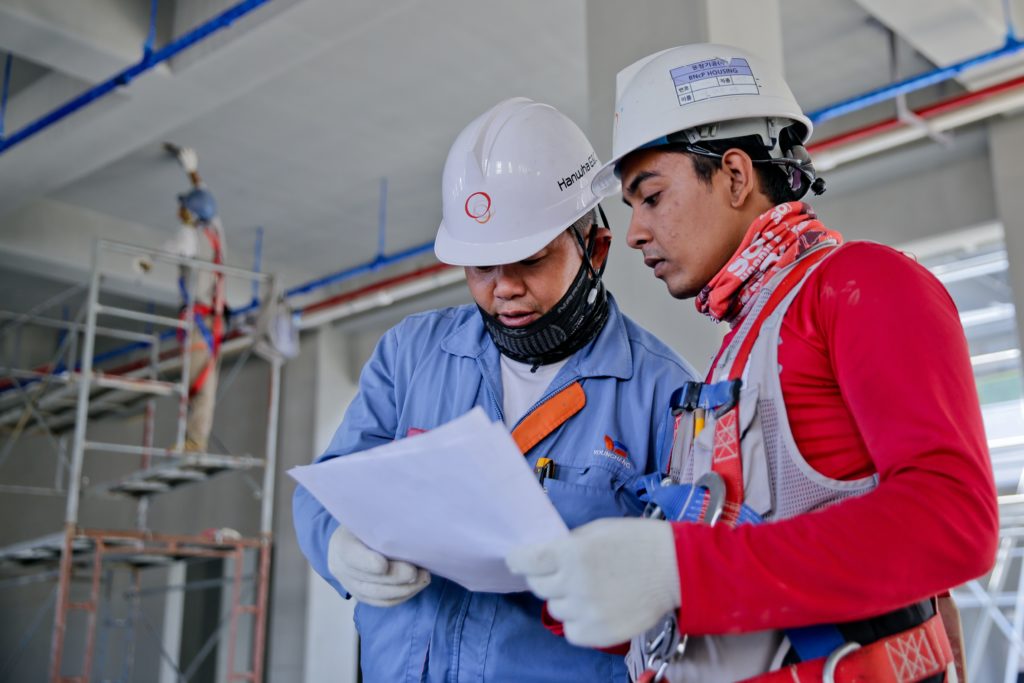
Toolbox Talks and safety culture

Regular Communication

  • Management must visit sites regularly, speaking with workers and supervisors. This is the best way to know what is happening on location.
  • Bringing up safety in daily conversations, not just at safety meetings. Clear expectations are important.
  • Creating an atmosphere where workers are encouraged give feedback. Workers who are involved in the safety process will put a higher emphasize on safety.
  • Encouraging near miss and hazard reporting. When poor conditions or habits are known, they can be mitigated or eliminated. Discuss trends in the industry.
  • Ensuring the Health and Safety Committee/ Representative has full support and the ability to make positive safety changes.

Recognizing Behaviours

  • Completing formal and informal inspections and walk around observations to understand actual conditions and behaviors.
  • Praising safe habits.
  • Disciplining and retraining workers for blatant disregard for policy and others safety.

Good Safety Culture is more than just following rules, it is good for business creating the best workers. This generally results in working with the best Clients.

Safety Culture Safety culture,  workplace health safety

Primary Sidebar

Ready for Complete Safety Compliance?

We Can Help! Call us by phone: 888-434-0411 or fill out our online form.
Workplace COR SECOR Safety Manuals

Do You Have Workplace Safety Requirements?

Complete compliance for COR/SECOR safety manuals.

Contractor prequalification for registries ISNetworld®, Avetta, Veriforce and more.

Contact Us Today

Footer

Workforce News

  • Why Is Safety Compliance Important?
  • Achieve Online Safety Training and Certification

Blog

  • Improving your Health and Safety Culture
  • SiteDocs Partnership

Contact

888.434.0411
Contact

Connect On Social Media

  • LinkedIn
  • Twitter

Navigation

  • About
    • Why Choose Us?
    • Client Testimonials
  • Services
    • Safety Manuals
    • Safety Consultant Services
    • Safety Registry Monitoring
    • Construction Safety Manuals & EHS Services
    • Transportation Safety Services
    • Toolbox Talks
    • Pocket Orientation Guidebooks
    • OneProgram™
  • Prequalification
    • Avetta
    • Cognibox® Compliance
    • ComplyWorks
    • CQ Network
    • ContractorCheck
    • VelocityEHS Compliance
    • ISNetworld®
    • SafeContractor
    • Veriforce Compliance
    • 8am Solutions
  • Training
    • Most Popular Courses
    • Confined Space Training
    • Daily Pre-Trip Inspections
    • Defensive Driving
    • Equipment Training
    • Forklift Training
    • Gas Detection
    • Ground Disturbance Courses
    • Rigging Training & Certification
    • Safety Awareness Training
    • Train the Trainer Certification
    • Transportation & TDG
    • Safety Culture Training
    • Winter Driving Fundamentals
    • WHMIS 2025
  • Resources
    • Safety Blog
    • Health & Safety Links
    • Safety Slogans
    • 10 Reasons Why Workplace Safety Is Important
    • COR / SECOR Frequently Asked Questions
    • Glossary Of Workplace Safety Terms
    • ISNetworld® RAVS® Safety Program Compliance FAQ
    • Workforce Compliance Safety Brochure
    • Client File Upload
  • Contact
  • Safety Blog
  • Terms of Service
  • Privacy Policy

© 2026 · Workforce Compliance Safety Ltd. · Built and Hosted by Privatenode LLC

Workforce Compliance Safety Ltd. is in no way endorsed, sponsored, approved by, or otherwise affiliated with
ISNetworld®. *ISN®, ISNetworld®, and RAVS® are registered trademarks of ISN Software Corporation.